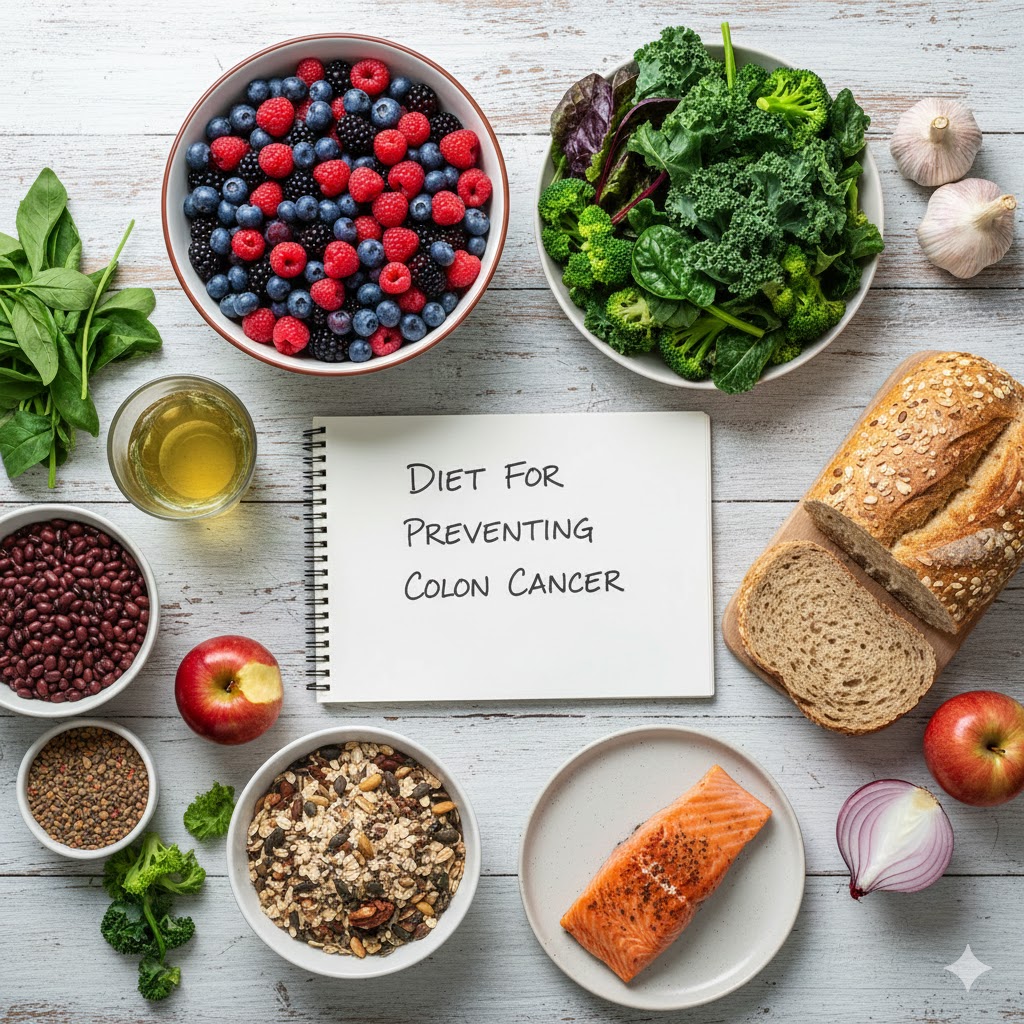

The best diet for preventing colon cancer focuses on foods that support gut health, reduce inflammation, and protect colon cells from damage. Today, colon cancer is one of the most common cancers worldwide; however, research clearly shows that diet plays a major role in lowering risk. Fortunately, making smart food choices can significantly improve colon health. In this article, you’ll learn which foods help prevent colon cancer, which foods to limit, and how simple dietary habits can make a long-term difference.
How Diet Affects Colon Cancer Risk
Diet directly affects the digestive system because the colon processes everything we eat. For this reason, poor dietary habits can increase inflammation and damage colon cells over time. On the other hand, a healthy diet supports beneficial gut bacteria and improves bowel movement regularity. In fact, studies consistently show that diets high in fiber, antioxidants, and plant-based foods lower the risk of colon cancer. Therefore, choosing the right foods remains one of the most effective preventive strategies.
Best Foods for Preventing Colon Cancer
To begin with, including protective foods in your daily meals can greatly reduce colon cancer risk.
High-Fiber Foods
Fiber is essential for colon health. In particular, it helps move waste through the digestive tract quickly, thereby reducing toxin exposure. For example, fiber-rich foods include whole grains such as brown rice, oats, and whole wheat; beans and lentils; fruits like apples, pears, and berries; and vegetables such as carrots and broccoli. As a result, fiber lowers inflammation and supports healthy digestion.
Fruits and Vegetables Rich in Antioxidants
Fruits and vegetables contain antioxidants that protect cells from damage. Moreover, they help fight inflammation linked to cancer development. For instance, top choices include leafy greens like spinach and kale, berries such as blueberries and strawberries, tomatoes, and citrus fruits. In addition, colorful vegetables provide vitamins and phytochemicals that further support colon health.
Healthy Fats
Not all fats are harmful. In fact, healthy fats help reduce inflammation and support overall gut function. Specifically, recommended sources include olive oil, avocados, nuts and seeds, and fatty fish like salmon and sardines. Therefore, replacing saturated fats with healthy fats is beneficial for colon cancer prevention.
Calcium and Vitamin D–Rich Foods
Calcium supports normal colon cell growth. Similarly, vitamin D helps regulate cell division and immune response. For this reason, good sources include low-fat milk and yogurt, cheese in moderation, fortified plant-based milk, and sunlight exposure for vitamin D. Together, calcium and vitamin D contribute to lower colon cancer risk.
Foods to Limit or Avoid
Although some foods protect the colon, others increase cancer risk. Therefore, moderation is essential.
Red and Processed Meats
Foods such as sausages, bacon, hot dogs, and processed beef should be limited. According to research, frequent consumption increases colon cancer risk. As a result, reducing intake is strongly recommended.
Refined and Processed Foods
White bread, sugary snacks, and fast foods should also be limited. In most cases, these foods promote inflammation and poor digestion. Consequently, they negatively affect colon health.
Alcohol and Sugary Drinks
Excess alcohol and sugary drinks raise cancer risk. Instead, choosing water and limiting alcohol intake is a healthier option. Ultimately, moderation plays a key role.
Healthy Eating Habits That Reduce Colon Cancer Risk
Diet is not just about food choice; equally important, eating habits influence digestion. For example, eating regular balanced meals, drinking plenty of water, maintaining a healthy body weight, avoiding overeating, and staying physically active all support colon health. By combining these habits with healthy foods, long-term digestive health improves.
When to See a Doctor
Although diet helps prevent colon cancer, screening remains essential. Therefore, consult a healthcare provider if you experience persistent abdominal pain, blood in stool, unexplained weight loss, or chronic constipation or diarrhea, because early detection saves lives.
Conclusion
In conclusion, the best diet for preventing colon cancer is rich in fiber, fruits, vegetables, healthy fats, and essential nutrients like calcium and vitamin D. By reducing processed foods and red meat, while at the same time adopting healthy eating habits, you can significantly lower your risk. Ultimately, consistent dietary choices play a powerful role in protecting colon health and overall well-being.