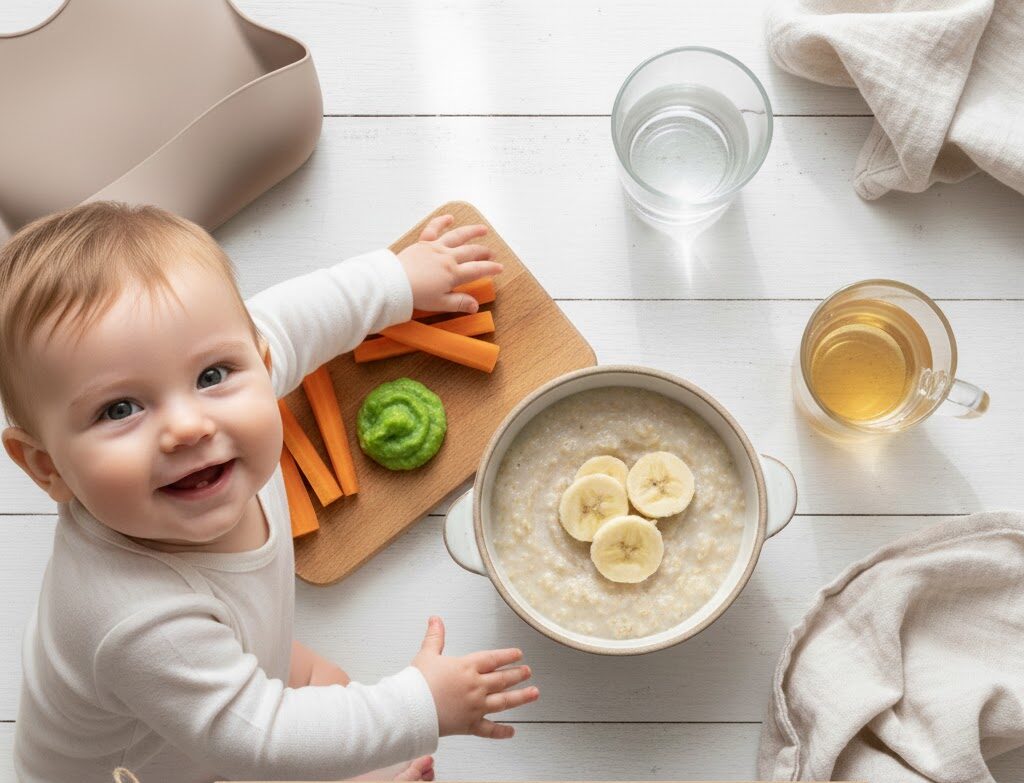

Acid reflux is a common digestive issue among children. However, many parents become concerned when symptoms begin to affect feeding, sleep, and overall comfort. For this reason, finding safe and natural solutions is important. Fortunately, treating reflux in kids with diet is often the first and most effective step. By making simple dietary changes, parents can significantly reduce symptoms and improve their child’s quality of life.
What Is Acid Reflux in Children?
Acid reflux occurs when stomach acid flows back into the esophagus. As a result, the esophageal lining becomes irritated. In children, this condition may show different symptoms than in adults.
For example, common signs include:
- Frequent vomiting or spitting up
- Heartburn or chest discomfort
- Persistent coughing
- Refusal to eat
- Abdominal pain
- Poor sleep or irritability
When these symptoms persist, the condition may be diagnosed as Gastroesophageal Reflux Disease (GERD).
How Diet Affects Reflux in Kids
Diet plays a crucial role in managing reflux. In particular, some foods increase stomach acid or relax the lower esophageal sphincter (LES). Because of this, acid can easily flow back into the esophagus.
On the other hand, reflux-friendly foods help neutralize acid and support digestion. Therefore, adjusting a child’s diet is often recommended before considering medication.
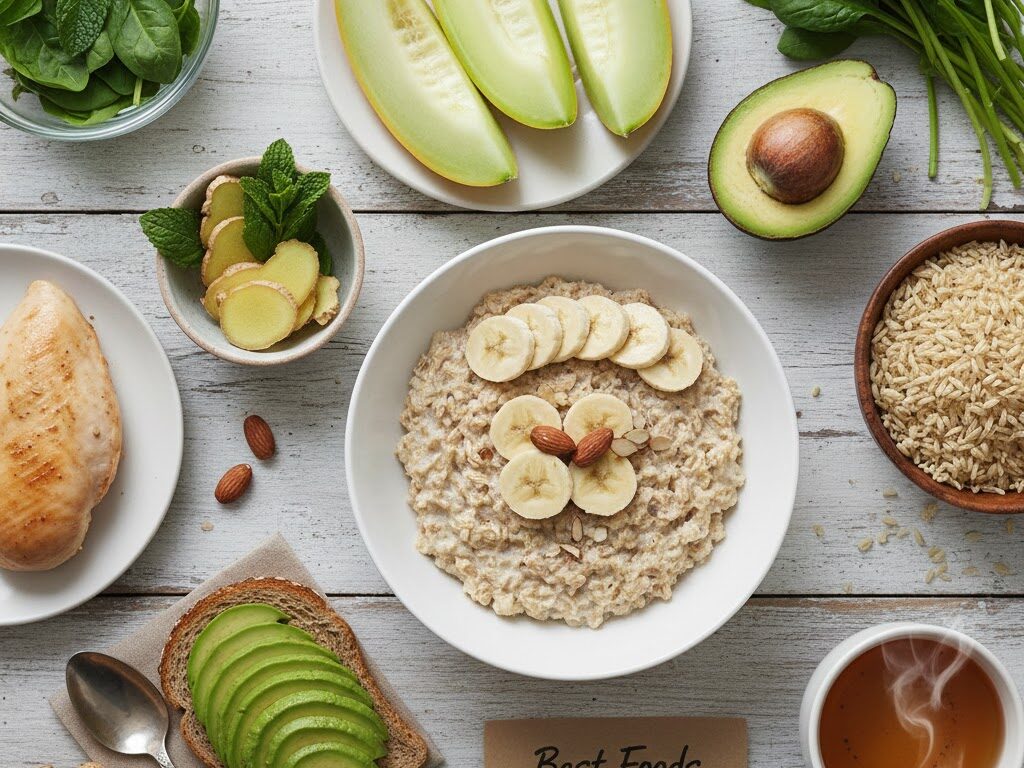
Best Foods for Kids with Acid Reflux
Low-Acid Fruits
- Bananas
- Apples (steamed or baked)
- Pears
- Melons
These fruits are beneficial because they are easy to digest and less likely to trigger reflux.
Reflux-Friendly Vegetables
- Carrots
- Broccoli
- Green beans
- Sweet potatoes
- Spinach
Moreover, vegetables are alkaline, which helps balance stomach acidity.
Whole Grains
- Oatmeal
- Brown rice
- Whole wheat bread
- Millet
In addition, whole grains absorb excess stomach acid and promote fullness.
Lean Protein Sources
- Skinless chicken
- Turkey
- Fish
- Eggs (boiled or scrambled)
- Beans and lentils
Compared to fatty meats, lean proteins are easier to digest and reduce reflux episodes.
Low-Fat Dairy (If Tolerated)
- Low-fat yogurt
- Skim or low-fat milk
- Cheese in moderation
However, full-fat dairy should be avoided since it may worsen symptoms.
Foods to Avoid if Your Child Has Reflux
Although some foods help, others can trigger reflux. Therefore, it is important to limit or avoid the following.
Acidic and Spicy Foods
- Citrus fruits
- Tomatoes and tomato-based products
- Hot peppers
These foods increase acidity, which can irritate the esophagus.
Fatty and Fried Foods
- Fast foods
- Fried meats
- Chips and fries
As a result, digestion slows and reflux symptoms worsen.
Sugary and Processed Foods
- Chocolate
- Candy
- Pastries
In most cases, these foods relax the LES and increase reflux.
Reflux-Triggering Drinks
- Soda
- Citrus juices
- Caffeinated beverages
Instead, encourage water or non-acidic herbal teas.
Sample Diet Plan for a Child with Reflux
Breakfast:
Oatmeal with banana slices and low-fat milk
Snack:
Apple slices or yogurt
Lunch:
Grilled chicken, brown rice, and steamed vegetables
Snack:
Whole-grain crackers or pear slices
Dinner:
Baked fish, sweet potato, and green beans
Most importantly, avoid meals at least 2–3 hours before bedtime.
Healthy Eating Habits That Reduce Reflux
Food choices matter; however, eating habits are equally important.
- First, serve smaller meals more frequently
- Next, encourage slow eating and proper chewing
- Additionally, avoid lying down immediately after meals
- Furthermore, keep children upright for 30–60 minutes
- Finally, avoid late-night snacks
By following these steps, reflux symptoms can be significantly reduced.
Reflux Diet Tips for Babies and Toddlers
For younger children, feeding techniques matter. For example, smaller feedings reduce stomach pressure.
- Feed smaller amounts more often
- Burp babies frequently during feeding
- Keep babies upright after feeding
- Avoid overfeeding
- Gradually introduce solid foods
As a result, discomfort and spit-up episodes often decrease.
When to See a Doctor
Although diet helps, medical care is sometimes necessary. Therefore, consult a doctor if your child experiences:
- Poor weight gain
- Persistent vomiting
- Blood in vomit or stool
- Breathing difficulties
Early intervention, in such cases, prevents complications.
Conclusion
In conclusion, treating reflux in kids with diet is a safe and effective approach. By choosing the right foods, avoiding triggers, and improving eating habits, many children experience lasting relief. Ultimately, consistent dietary management can reduce the need for medication and improve overall well-being.