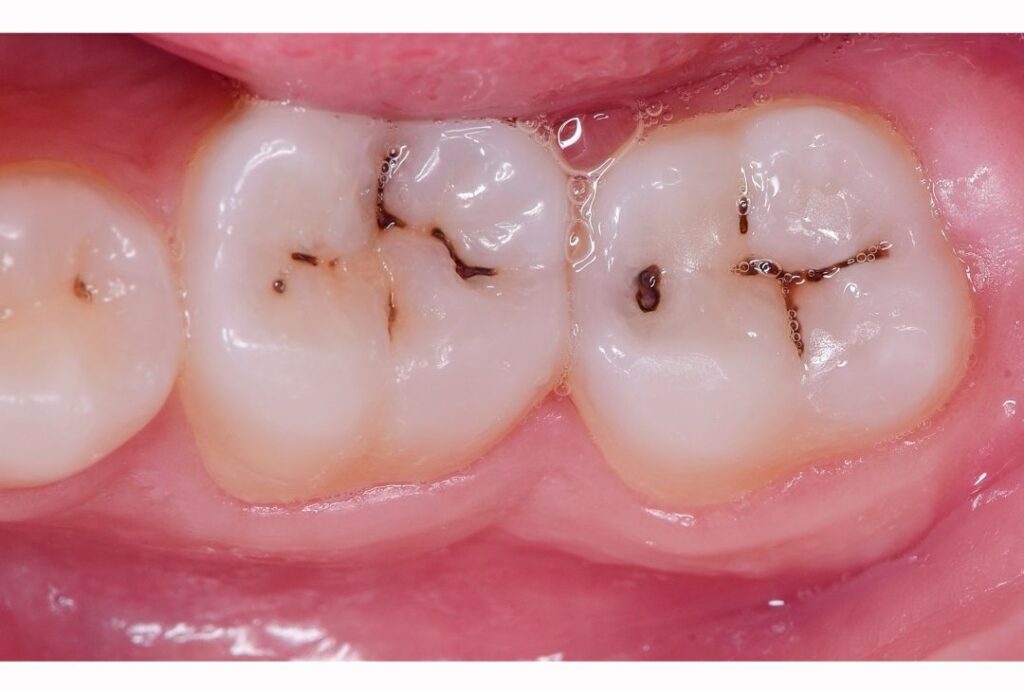

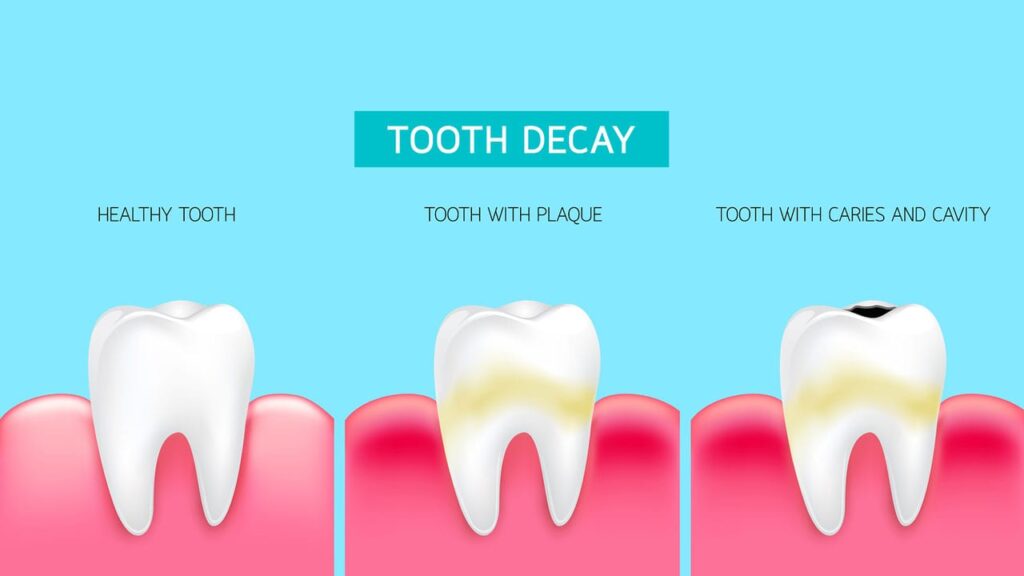
Tooth decay, also known as dental caries or cavities, is caused by bacteria in the mouth that produce acids after digesting sugars from food. Over time, these acids can erode tooth enamel and lead to cavities. Many people wonder if it’s possible to stop tooth decay, and the answer is: yes, to a large extent, it can be prevented and even slowed down with proper oral care and lifestyle habits.
How to Stop or Prevent Tooth Decay
- Maintain Good Oral Hygiene
- Brush teeth at least twice a day with fluoride toothpaste.
- Floss daily to remove plaque and food particles between teeth.
- Moreover, use an antibacterial mouthwash to reduce harmful bacteria.
- Limit Sugar and Acidic Foods
- Sugary and acidic foods and drinks feed decay-causing bacteria.
- Further, reducing consumption of soda, candies, and processed snacks helps protect enamel.
- Rinse your mouth with water after eating sugary foods if brushing isn’t possible.
- Use Fluoride Treatments
- Fluoride strengthens enamel and makes teeth more resistant to acid attacks.
- In addition, ask your dentist about professional fluoride applications if needed.
- Regular Dental Checkups
- Visit your dentist every 6 months for cleaning and checkups.
- Consequently, early detection allows remineralization of small decay spots before they become cavities.
- Chew Sugar-Free Gum
- Chewing stimulates saliva, which neutralizes acids and repairs early enamel damage.
- As a result, chewing sugar-free gum helps reduce the risk of cavities.
- Consider Dental Sealants
- Sealants are protective coatings applied to chewing surfaces of back teeth to prevent decay.
- Therefore, they act as an extra barrier against harmful bacteria.
Key Takeaway
About 35 percent of the global population is affected by dental cavities, which may be humanity’s most prevalent disease. One in four elderly U.S. adults is missing all of their teeth, and an estimated $100 billion is spent on dental diseases due to consumption of sugar.
While we can’t completely eliminate the risk of tooth decay, it can be stopped or slowed significantly through proper oral care, diet management, fluoride use, and regular dental visits. Further, early action is crucial—small cavities can sometimes be reversed naturally with remineralization techniques.